CASS Standardization and Delivery Point Verification Mechanics
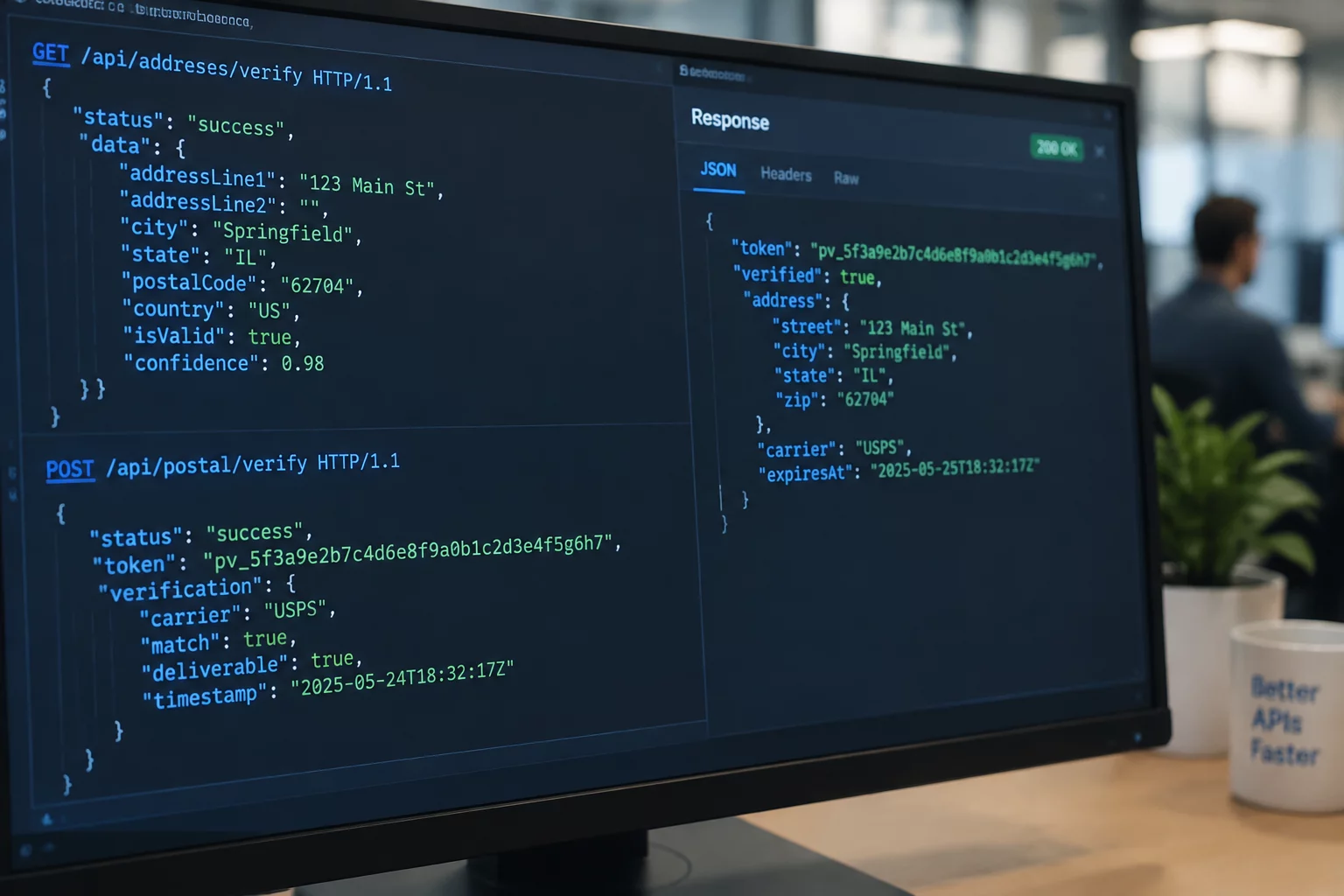
Google Address Validation API combines the spatial reach of Google Maps Platform with the deterministic rules of USPS Coding Accuracy Support System (CASS). When an application transmits an unformatted address payload, the API standardizes street suffixes, directionals, and city names against the authoritative postal database. Instead of relying solely on probabilistic text matching, the CASS pipeline verifies whether the address corresponds to an active delivery drop point recognized by USPS mail carriers.
Standard geocoding engines frequently produce synthetic rooftop coordinates by interpolating points along street segments, even when a home or suite does not exist. Google addresses this discrepancy by returning distinct Delivery Point Validation (DPV) confirmation codes. The system exposes whether an address achieved primary number confirmation, confirmed without secondary unit validation, or failed deliverability checks entirely. Logistics engineering teams use these granular verdict codes to halt fraudulent checkouts and prevent costly parcel return exceptions.
Relying on interpolated coordinates without Delivery Point Validation creates systematic dispatch exceptions. Sustainable fulfillment requires validating both spatial position and postal carrier drop status.— Logistics Systems Review Group
Resolving Multi-Unit Ambiguities and Secondary Suite Identifiers
Commercial complexes and high-density residential towers represent the primary source of carrier delivery failures. The API architecture evaluates nested building records through several automated verification layers before generating standardized records:
- Sub-Premise Granularity Flags: Inspects apartment and suite records to detect missing or unconfirmed unit numbers before warehouse fulfillment.
- Automated ZIP+4 and Carrier Route Tagging: Calculates complete 9-digit postal codes alongside specific carrier delivery walk sequences.
- LACSLink and Address Transition Intelligence: Detects 911 emergency renumberings and rural route conversions prior to standard postal database updates.
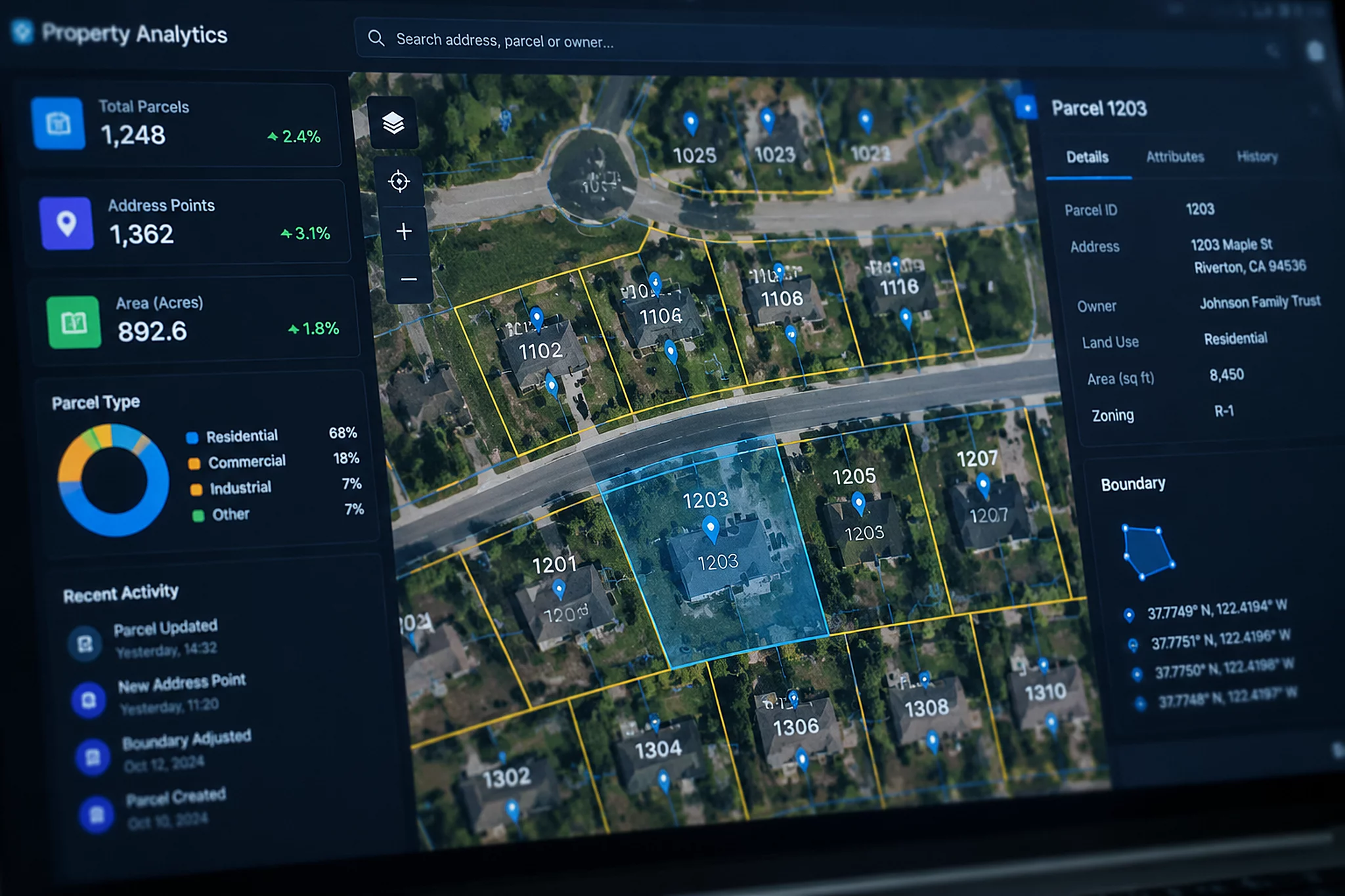
In addition to postal delivery flags, the API returns Google place identifiers, plus codes, and rooftop-level spatial boundaries. This integrated schema allows engineering teams to simultaneously support physical dock navigation for drivers and maintain strict master data governance across downstream ERP records.